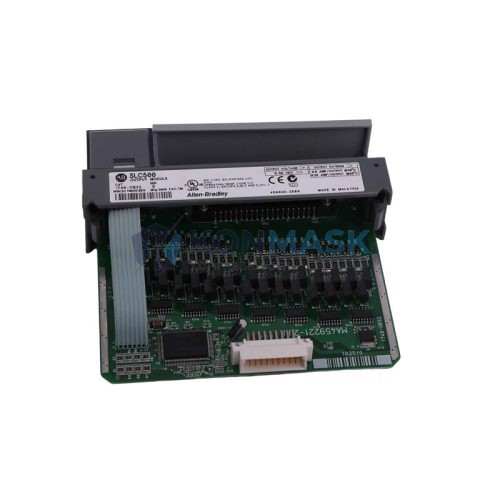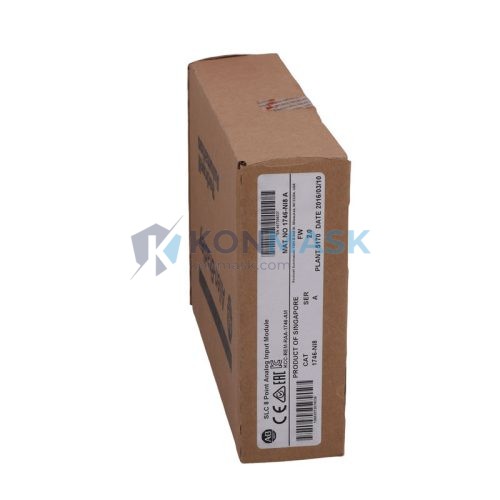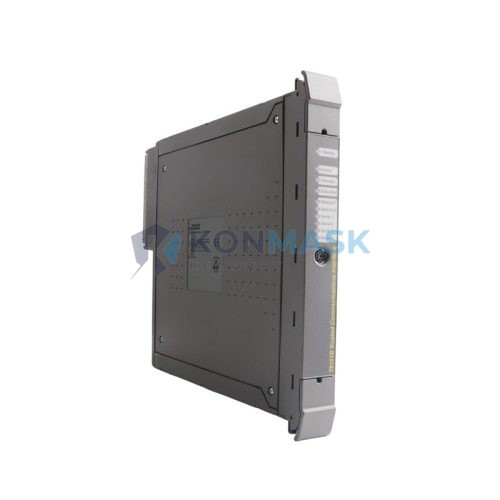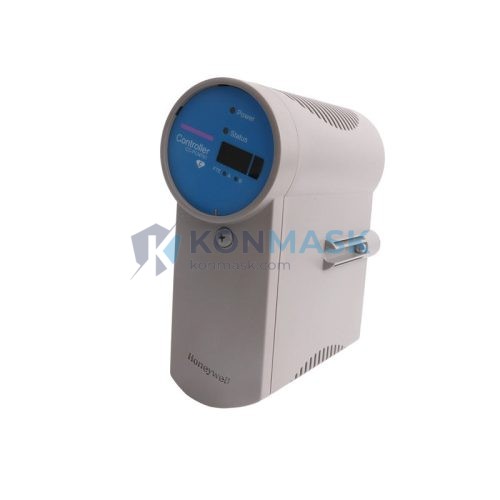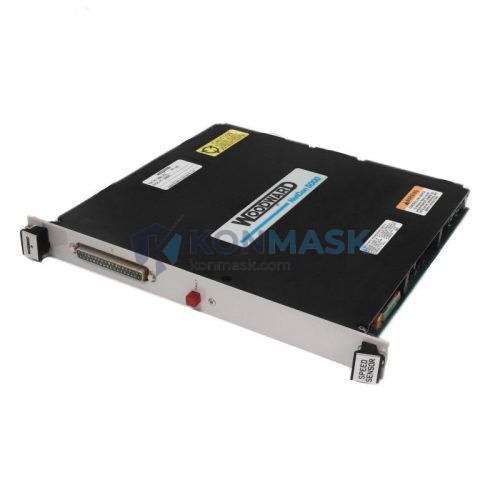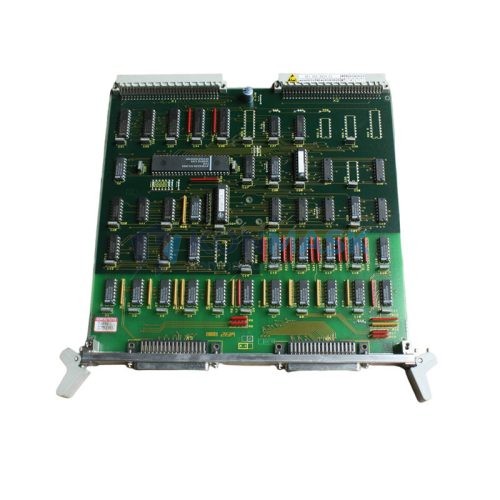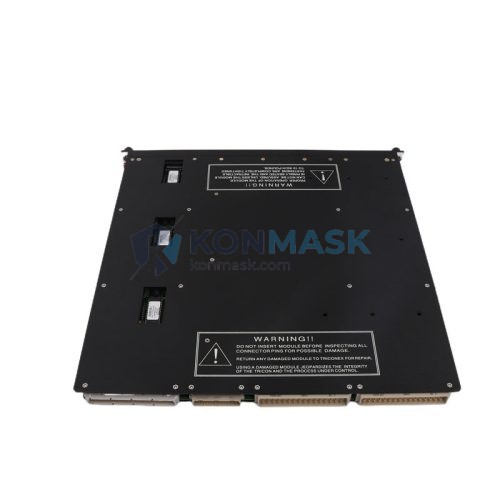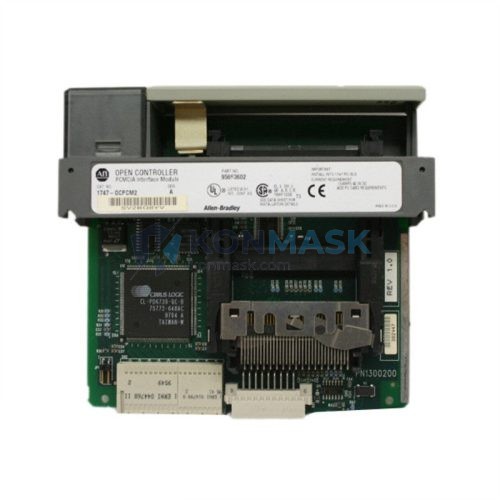

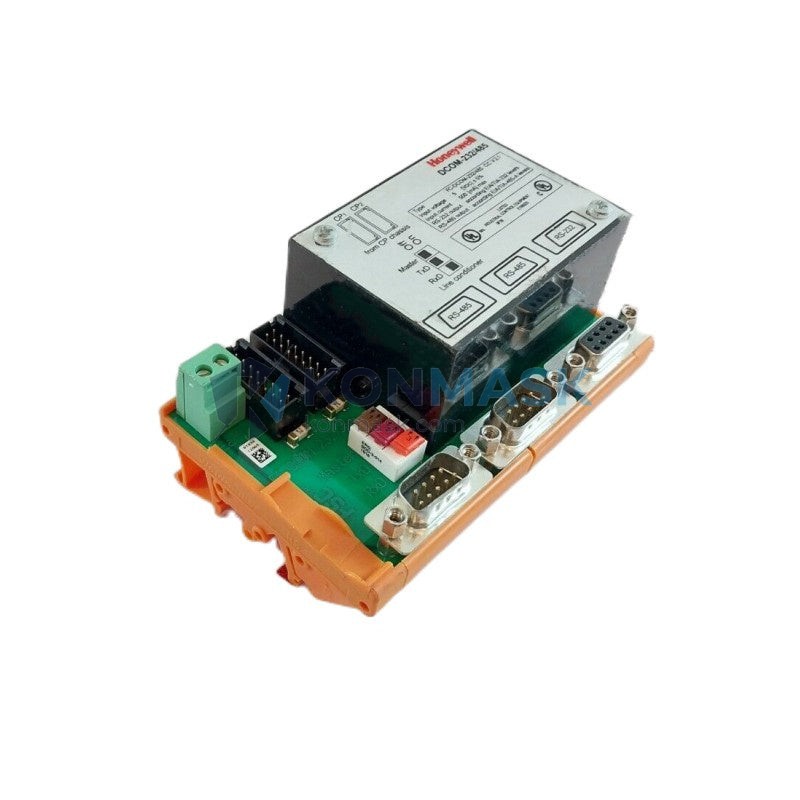
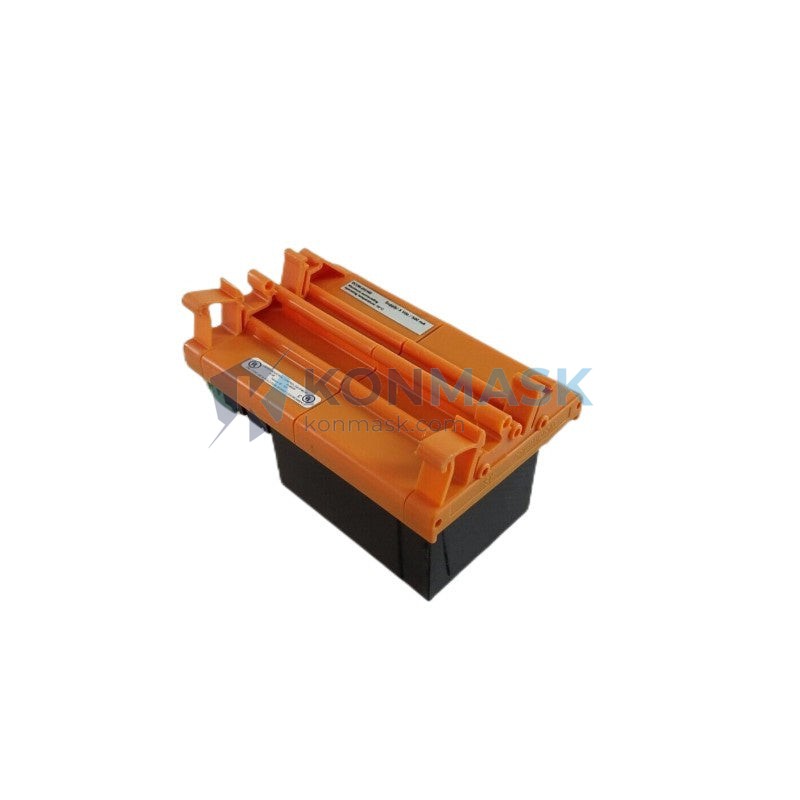
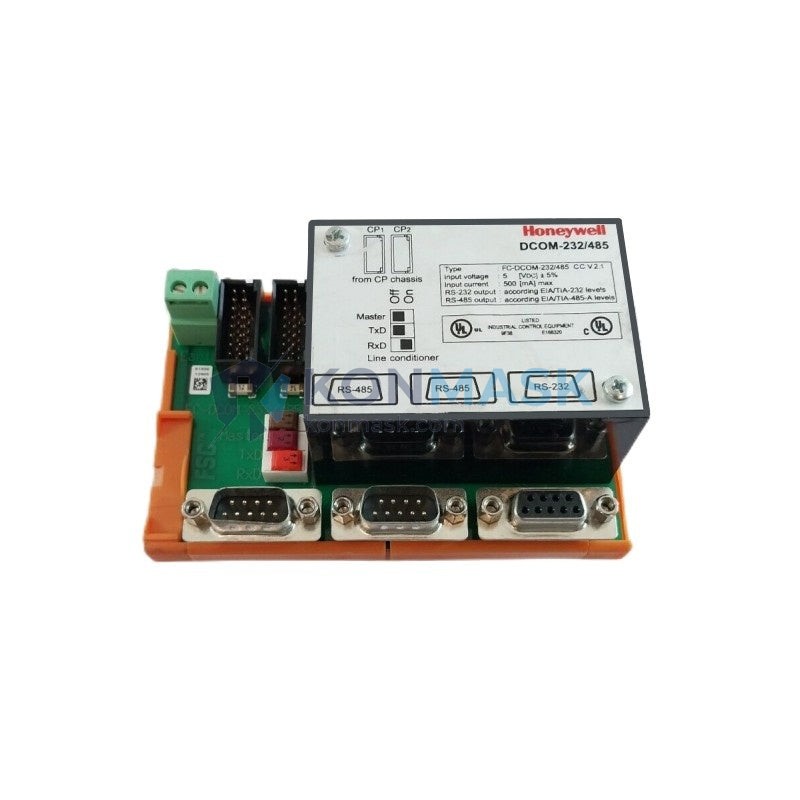
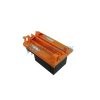
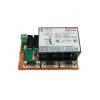
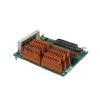
Honeywell FC-DCOM-232/485 – Dual-Port Serial Communication Interface Module | Experion PKS / TDC 3000 Platform
Engineering Background: The Honeywell Experion PKS (Process Knowledge System) and its predecessor TDC 3000 represent the backbone of distributed control architecture across refining, power generation, and water treatment facilities worldwide. Within these platforms, communication interface modules serve as the protocol bridge between the controller backplane and field devices or third-party subsystems. The FC-DCOM-232/485 occupies a critical role in this architecture: it provides simultaneous RS-232 and RS-485 serial connectivity, enabling the Experion controller to exchange data with HART multiplexers, intelligent motor control centers, gas analyzers, and legacy SCADA nodes without requiring a separate gateway appliance.
Product Positioning: The FC-DCOM-232/485 is distinguished from single-port variants (FC-DCOM-232 or FC-DCOM-485) by its dual-channel design, which eliminates the need for a second module slot when both RS-232 and RS-485 connectivity are required simultaneously. Its operating envelope is suited to continuous-duty control room and marshalling cabinet environments. It is not intended for intrinsically safe Zone 0/1 installations without an approved barrier assembly, and it is not a replacement for high-speed Ethernet or FOUNDATION Fieldbus modules in bandwidth-intensive applications.
Complete Technical Specifications
Electrical
- Communication Ports: 2 × isolated serial — Port 1: RS-232 (DB-9, DTE); Port 2: RS-485 (2-wire, half-duplex / 4-wire, full-duplex selectable)
- Baud Rate: 300 bps – 115,200 bps (software-configurable per port)
- Data Format: 7/8 data bits, 1/2 stop bits, None/Even/Odd parity
- RS-485 Bus Load: 1/8 unit load per port; supports up to 256 nodes on a single segment
- Isolation: 500 V DC port-to-backplane galvanic isolation
- Backplane Power Draw: +5 V DC, ≤ 1.2 W typical
- Supported Protocols: Modbus RTU/ASCII, DF1, generic ASCII, user-defined via Experion Control Builder
Mechanical
- Form Factor: Single-width Experion PKS / TDC 3000 I/O module (C200/C300 chassis compatible)
- Dimensions: Approx. 25 mm × 200 mm × 230 mm (W × H × D)
- Weight: 660 g
- Connector: 96-pin DIN 41612 backplane connector; front-panel DB-9 (RS-232) and terminal block (RS-485)
- Mounting: Guided rail insertion into Experion I/O chassis; hot-swap capable with chassis power applied
Environmental
- Operating Temperature: 0 °C to +60 °C
- Storage Temperature: −40 °C to +85 °C
- Relative Humidity: 5 % to 95 % non-condensing
- Vibration: IEC 60068-2-6, 5–150 Hz, 1 g
- Shock: IEC 60068-2-27, 15 g, 11 ms half-sine
- Pollution Degree: 2 (IEC 60664-1)
Certifications
- CE Marking (EMC Directive 2014/30/EU; LVD 2014/35/EU)
- UL Listed (UL 508, Industrial Control Equipment)
- RoHS 2 Compliant (Directive 2011/65/EU)
- ATEX / IECEx: Not rated for Zone 0/1 without external barrier
Specification data sourced from Honeywell Experion PKS I/O Module Reference, document number EP-DSI-0001, and cross-referenced against physical unit inspection. Verify against the current Honeywell product datasheet for safety-critical applications.
Proven Application Environments
- Petroleum Refining – Crude Distillation Unit: Connects Experion C300 controller to Modbus RTU-based flow computers and LACT unit controllers; sustains 24/7 continuous polling at 9,600 bps without frame errors under high-vibration compressor-room conditions.
- Thermal Power Generation – Boiler Management System: Interfaces the DCS with RS-485 networked flame scanners and burner management relay panels; the galvanic isolation prevents ground-loop interference from high-voltage switchgear in adjacent panels.
- Municipal Water Treatment – SCADA Integration: Bridges Experion PKS to legacy RS-232 telemetry RTUs at pump stations; enables phased migration to Ethernet without decommissioning existing field wiring.
- Chemical Plant – Analyzer Network: Aggregates data from up to 16 RS-485 process gas chromatographs on a single half-duplex bus; baud rate set to 19,200 bps with 4 ms inter-frame delay to accommodate analyzer response latency.
- Offshore Platform – Wellhead Control: Provides redundant serial path to subsea control module interface panels; module’s wide temperature tolerance supports non-air-conditioned equipment rooms in tropical climates.
- Pharmaceutical Manufacturing – Batch Reactor Control: Communicates with RS-232 balance and dosing pump controllers under FDA 21 CFR Part 11 audit-trail requirements; deterministic polling cycle supports batch record integrity.
Engineering Advantages
- For installations requiring simultaneous RS-232 and RS-485 connectivity, this communication interface module eliminates the need for a second chassis slot, because its dual-port architecture integrates both interfaces on a single board, preserving valuable I/O real estate in dense marshalling cabinets.
- For long RS-485 cable runs exceeding 500 m in electrically noisy environments, this module maintains signal integrity, because its 500 V DC port-to-backplane isolation breaks ground loops that would otherwise corrupt serial frames.
- For facilities operating mixed-protocol field device networks, this module supports Modbus RTU, Modbus ASCII, DF1, and user-defined ASCII protocols concurrently across its two ports, because Honeywell’s Control Builder allows independent protocol assignment per port without firmware changes.
- For maintenance teams performing hot-swap replacements during live production, this module supports chassis-powered insertion and removal, because the backplane connector design and firmware handshake sequence prevent bus contention during module substitution.
- For aging TDC 3000 installations being migrated to Experion PKS, this module provides backward-compatible slot form factor and pinout, because Honeywell maintained mechanical and electrical continuity across platform generations to protect existing infrastructure investment.
- For procurement engineers requiring traceable documentation, this module ships with verifiable firmware revision labels and lot codes, because Honeywell’s manufacturing process embeds revision data in both the hardware label and the module’s internal register, enabling cross-verification during incoming inspection.
System Architecture & Signal Flow
In a typical Experion PKS architecture, the FC-DCOM-232/485 resides in an I/O chassis connected to a C200 or C300 controller via the FTE (Fault Tolerant Ethernet) backplane. Signal flow proceeds as follows: the controller’s Control Execution Environment (CEE) writes data to the module’s dual-port memory map via the backplane bus → the module’s onboard UART serializes the data frame according to the configured protocol → the frame is transmitted over Port 1 (RS-232) or Port 2 (RS-485) to the target field device → the device response is deserialized and written back to the shared memory map → the CEE reads the response on the next scan cycle.
Compatible Modules & Chassis:
- FC-SDSR-0100 (Serial Device Server) – compatible as a network-side peer; both modules share the same Modbus RTU driver library within Experion.
- C200E / C300 Controller Chassis – confirmed compatible; the module occupies any standard I/O slot.
- TDC 3000 HPM Chassis – compatible with appropriate backplane adapter; verify slot addressing with Honeywell FSE before installation.
Substitution Conditions: The FC-DCOM-232/485 may substitute for separate FC-DCOM-232 and FC-DCOM-485 single-port modules when both serial types are required and a free chassis slot is available. It is not a substitute for FC-EIOLINK (Ethernet I/O Link) or FF-SIM (FOUNDATION Fieldbus) modules, as those serve fundamentally different network layers.
Sourcing & Quality Verification
Units offered through Konmask.com are sourced from decommissioned plant upgrades, authorized distributor overstock, and verified secondary-market channels. Each unit undergoes the following 4-step incoming inspection before listing:
- Visual Inspection: Examination of PCB, connectors, and housing for physical damage, corrosion, or evidence of field repair. Units with non-OEM solder joints or damaged connector pins are rejected.
- Label & Firmware Verification: Cross-reference of the hardware revision label against the module’s internal firmware register (read via Experion Control Builder diagnostic screen) to confirm label authenticity and revision consistency.
- Functional Bench Test: Module is installed in a test chassis with a C200 controller running a loopback Modbus RTU sequence on both ports at 9,600 bps and 115,200 bps; pass criteria require zero CRC errors over 1,000 consecutive frames per port.
- Packaging & ESD Protection: Passed units are wrapped in anti-static foam, sealed in ESD bags, and boxed with desiccant for transit.
Documentation available upon request: Incoming inspection report, functional test log, firmware revision record, certificate of conformance, and high-resolution photographs of the specific unit shipped.
Procurement Process
- Submit Inquiry: Send the required quantity, target delivery date, and any documentation requirements to support@konmask.com or via the on-page quote form. Include the plant name and application if expedited technical review is needed.
- Receive Quote & Confirmation: A detailed quotation including unit price, lead time, shipping options, and available documentation will be issued within 24 hours on business days. Stock availability is confirmed at time of quotation.
- Order & Dispatch: Upon purchase order or payment confirmation, the unit is re-inspected, packaged, and dispatched within 1–2 business days. Tracking information and shipping documents are provided automatically.
Technical Support: Pre-sale support covers compatibility verification, chassis slot confirmation, and documentation review. Post-sale support covers installation guidance and Experion Control Builder configuration assistance. Contact: support@konmask.com | +0086 19859288691.
Technical FAQ
Q1: Is the FC-DCOM-232/485 compatible with the Experion C300 controller chassis, and does it require a specific firmware version on the controller?
A: The module is compatible with C300 controller chassis running Experion PKS R310 and later. Earlier releases (R210 and below) require a firmware patch (Honeywell SIN 2009-03) to enable dual-port concurrent operation. Confirm the controller firmware revision before installation; the patch is available through Honeywell Technical Assistance Center (TAC).
Q2: Can the FC-DCOM-232/485 replace two separate FC-DCOM-232 and FC-DCOM-485 modules currently installed in adjacent slots?
A: Yes, under the condition that the existing Control Builder configuration is exported, the two single-port module definitions are merged into a single FC-DCOM-232/485 definition, and the configuration is re-downloaded. This consolidation frees one chassis slot. The I/O tag addresses remain unchanged if the slot number is assigned correctly during reconfiguration.
Q3: Does the module carry SIL certification for use in Safety Instrumented Systems?
A: The FC-DCOM-232/485 is not SIL-rated and is not approved for use as a safety function element in IEC 61511-compliant SIS architectures. For serial communication within a SIS, Honeywell’s FSC (Fail Safe Controller) platform with its dedicated serial I/O modules must be used. The FC-DCOM-232/485 is appropriate for basic process control (BPCS) and monitoring applications only.
© 2026 Konmask.com. All rights reserved.
Original Source: https://Konmask.com
Contact: support@konmask.com | +0086 19859288691