

Two RX3i power supplies can both carry a 40 W headline and still require different purchasing decisions. The important distinction is not simply which unit looks newer or which listing uses the phrase “high capacity.” It is whether the supply is intended for a single-supply arrangement or an approved multi-supply configuration, and whether the rack’s load remains within the applicable limits.
For a legacy PACSystems cabinet, buying from the headline rating alone risks solving the wrong problem. A replacement supply, an increase in available power and a redundancy project are three separate requirements. Write down which one you are addressing before comparing offers.
PSA040 and PSA140 are not distinguished by total watts alone
The manufacturer-authored PACSystems RX3i System Manual, GFK-2314AA identifies the IC695PSA040 as a standard supply used alone in a universal backplane. It must not be combined with another supply for added capacity or redundancy. The IC695PSA140 belongs to the multipurpose supply group, which supports specified multi-supply modes. Both have a 40 W total rating, with additional output-specific and operating constraints.
That is the technical reason a wattage-only comparison fails. It does not mean that any two multipurpose supplies may be combined in any rack, or that adding a second unit automatically creates a resilient installation. The exact configuration still needs review against the applicable manual and installed hardware.
When restoring an existing standard-supply arrangement, the IC695PSA040 RX3i power supply provides a reference for the sourcing discussion. Match the installed label and configuration rather than interpreting the words “replacement” or “equivalent” in a catalog title as engineering approval.
Three inquiries that should never share one description
| Request | Decision to resolve | Evidence needed |
|---|---|---|
| Replace a failed supply | Restore the approved arrangement | Installed reference, rack identity and fault assessment |
| Support added modules | Recalculate the permitted load | Module inventory and output-specific power requirements |
| Improve availability | Approve a suitable redundancy architecture | Supply arrangement, load budget and failure-response requirements |
The same physical cabinet may move through all three situations over its life. What matters is that purchasing knows which situation applies today. Otherwise, a quote for a replacement can be mistaken for an approval to expand the rack, or a second supply can be purchased without a valid place in the architecture.
The IC695PSA140 multipurpose supply is a relevant candidate only when its intended role has been assessed. Ask the engineer to name the approved operating arrangement and the applicable restrictions in the requisition. A supplier’s description of higher capability does not replace that assessment.
The load sheet must describe the rack that exists
Start with a current module inventory, not the original project bill of materials. Record the rack reference, installed modules and planned additions. Small changes made during troubleshooting or production improvements can leave the old drawing accurate in appearance but wrong in its power assumptions.
Separate the backplane calculation from unrelated field loads. A 24 V device supplied elsewhere in the cabinet is not automatically part of the same calculation, and its power source must not be inferred from physical proximity. Use the manufacturer’s requirements for each module and have a qualified engineer check the applicable output budgets and environmental conditions.
Document the basis of any reserve capacity. “There is plenty left” is difficult to audit and easy to repeat after another expansion. A useful record names the permitted future modules or identifies the margin and assumptions used. Revisit the calculation whenever those assumptions change.
Redundancy is a behavior, not a count of boxes
Two installed supplies do not prove that a rack will meet the plant’s availability target after a failure. The load, supply arrangement, upstream dependencies and monitoring all matter. A design may contain duplicated hardware yet retain a common dependency that dominates the recovery risk.
Define the required outcome with operations: what must continue running, what alarm must be visible and what maintenance window is acceptable after a fault. Then have the responsible engineer establish the configuration and verification plan. Do not attempt to prove redundancy by improvising an energized removal test on a production rack.
This distinction also affects stores. A spare inventory should support the approved arrangement, not an assumed future redesign. Keep incompatible or differently purposed supply references clearly identified so an urgent withdrawal does not turn into an undocumented architecture change.
What to verify at receiving
Compare the actual unit against the purchase order’s complete reference, stated condition and included accessories. Retain identification photographs and inspect visible connector and housing condition under the site’s handling procedure. Record whether the item is held as an approved direct replacement or as material awaiting engineering release.
Require any substitution proposal to be written. A verbal assurance that a unit is “the same 40 watts” is precisely the ambiguity this purchase should eliminate. Where documentation is incomplete, keep the item out of the ready-for-use inventory until the discrepancy is resolved.
Buyer questions
Can two PSA040 units be used to increase rack power?
No. The cited RX3i manual identifies PSA040 as a single-supply arrangement and prohibits combining it with other supplies for capacity or redundancy. Do not treat physical space in a rack as permission to add one.
Does PSA140 mean more than 40 W from one unit?
No. Its distinction includes supported multi-supply operating arrangements, not a higher headline total from a single module. Review the complete specification instead of relying on a catalog adjective.
Is total rack wattage sufficient for approval?
No. The responsible engineer must also check the applicable output-specific limits, installed modules and operating conditions. A total below the headline rating does not independently validate every part of the power budget.
What should accompany an urgent quotation request?
Send the installed reference, rack identification, module inventory, existing supply arrangement and whether the job is restoration, expansion or redundancy work. Include quantity, condition expectations and the required delivery date.
Ask Konmask at support@konmask.com for a reference-specific supply quotation with clear condition and scope. Keep the architecture decision with the plant’s engineering team, and let the sourcing response address the exact approved requirement.
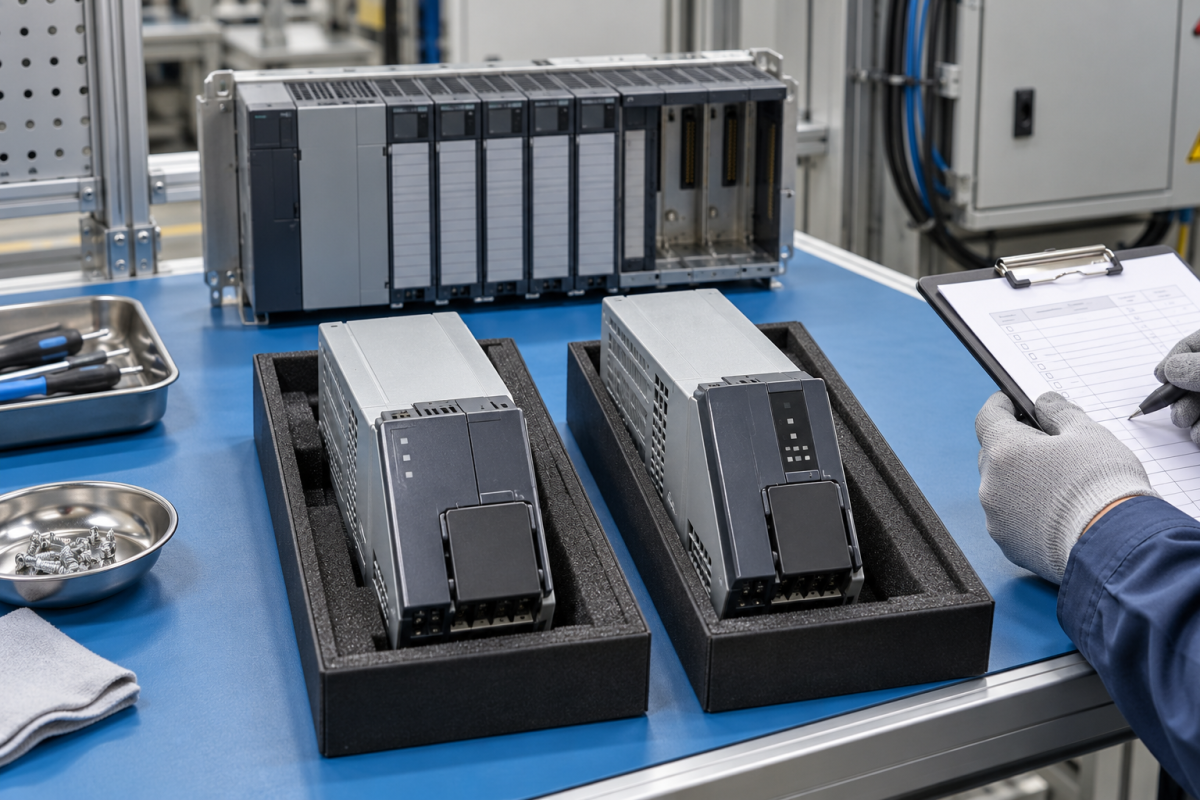
Image: AI-generated editorial illustration, not an exact product photograph or installation reference.
© 2026 Konmask. All rights reserved. Official Website: https://www.konmask.com Inquiry: support@konmask.com | WhatsApp/Tel: +86 19859288691
