

“Three poles, 18 amps, same coil voltage” sounds like a complete contactor request. It is not. Those details leave out what the device switches, how often it switches and the conditions under which it must interrupt current. A contactor selected for the wrong duty can be an expensive misunderstanding even when it fits the mounting space.
For TeSys D spares, start the conversation with the load and operating cycle. Then confirm the complete device reference and coil identity. Keeping those two decisions separate makes quotations easier to compare and prevents an apparently larger contactor from being accepted as an automatic upgrade.
The current rating needs a duty attached to it
Schneider Electric’s explanation of AC-1 and AC-3 utilization categories distinguishes resistive-type applications from squirrel-cage motor switching under the defined operating conditions. The same contactor can have different current ratings for different duties. Consequently, an ampere value without its category and voltage context is incomplete purchasing information.
This distinction becomes important when the stores description has been copied from a box, a short invoice or an online title. The largest visible number may not be the rating relevant to the installed motor circuit. Asking for a photograph of the full rating information is often more useful than asking the supplier to confirm the shortened description again.
Do not reduce difficult operating cycles to ordinary running current. Frequent inching, reversing or other demanding switching requires the appropriate manufacturer selection guidance. The person specifying the replacement should describe the real machine behavior, including changes made since the original equipment was commissioned.
A useful RFQ has two independent identities
The first identity is the power-circuit duty: load type, operating voltage, current, switching pattern and the required coordination with protective devices. The second is the control-circuit requirement: coil supply, frequency where applicable, control arrangement and associated accessories. Agreement on one does not establish agreement on the other.
For example, the LC1D12M7C TeSys D catalog reference provides an exact identifier for a sourcing inquiry. Keep the final suffix in the request. Do not replace it with a shorter regional reference simply because an internet search returns more documentation for that version. Ask for the offered unit’s label and the manufacturer documentation applicable to that exact reference.
The same discipline applies to the LC1D18M7C contactor listing. Its presence in the catalog gives purchasing a product to investigate; it does not approve substitution for another device. Before accepting a change, reconcile ratings, physical fit, accessories and the complete starter arrangement. This article does not assert that the two listed references are interchangeable.
Why the replacement can fit and still be wrong
A starter is an assembly, not just a contactor. Auxiliary contacts may serve indication, interlocking or sequencing functions. Mechanical accessories can constrain the space around the device. An overload device or connection accessory may depend on a particular arrangement. Record these relationships before the old equipment is removed, while the original installation remains identifiable.
Use the current drawing as a starting point, then confirm that it matches the cabinet. Unauthorized historical modifications are exactly the kind of detail a replacement project can expose. Do not reproduce an undocumented arrangement merely because the old machine appeared to run. Escalate discrepancies through the plant’s engineering process.
Inspection should take place under the applicable electrical isolation and stored-energy procedures. A purchasing comparison is not a wiring instruction. Personnel should not probe energized equipment or defeat interlocks to determine whether a candidate contactor will work.
When repeated failure is a clue
If the same position repeatedly consumes contactors, a like-for-like replacement may restore operation without explaining the cause. Gather the failure history and operating context. Was the machine cycling more frequently? Did the load change? Were there abnormal control-supply events? Those questions help engineering decide what to investigate rather than treating every event as a defective spare.
Preserve the removed unit and its label where plant procedures allow. Describe the observed condition instead of declaring a cause from appearance alone. A damaged contact or noisy operation is evidence for investigation, not a complete diagnosis. Avoid installing a higher-rated device as an informal experiment.
The commercial consequence is straightforward: request a quotation against an approved requirement, not against the hope that a different size will stop the problem. Where engineering proposes a change, keep that change visible in the purchase record and acceptance criteria.
Acceptance should compare the offer with the requirement
At receipt, compare the delivered reference, condition, markings and agreed accessories with the order. Keep identification photographs and supplier documentation with the asset record. Any manufacturer authenticity or conformity claim should be supported by appropriate evidence, not inferred from packaging style alone.
After installation, qualified personnel should verify the intended operation under the approved commissioning plan. The record should identify what was checked and who accepted the result. Procurement can close the delivery issue while engineering separately closes the machine-release decision; neither needs to obscure the other’s responsibility.
Purchasing questions
Can we compare two contactors by their ampere rating alone?
No. The utilization category, voltage and operating conditions must accompany the rating. Otherwise the comparison may put a resistive-load figure beside a motor-duty figure and produce a misleading equivalence.
Is a higher-current contactor always a safe substitute?
No. A change can affect mounting, accessories, control requirements and coordination within the starter. Have the complete arrangement reviewed rather than treating a larger number as blanket approval.
May we omit the final suffix when requesting a quote?
Keep the full reference. Regional or configuration details can matter, and this review has not established universal equivalence between references with and without the final suffix. Ask the supplier to identify the exact offered product.
What should an urgent request include?
Send label photographs, load and duty information, coil requirements, attached accessories, quantity and destination. State whether only the exact reference is acceptable or whether a documented alternative may be submitted for engineering review.
Contact Konmask with the complete TeSys D reference and starter requirements for a focused quotation. Clear scope helps separate an exact replacement offer from an alternative that still needs technical approval.
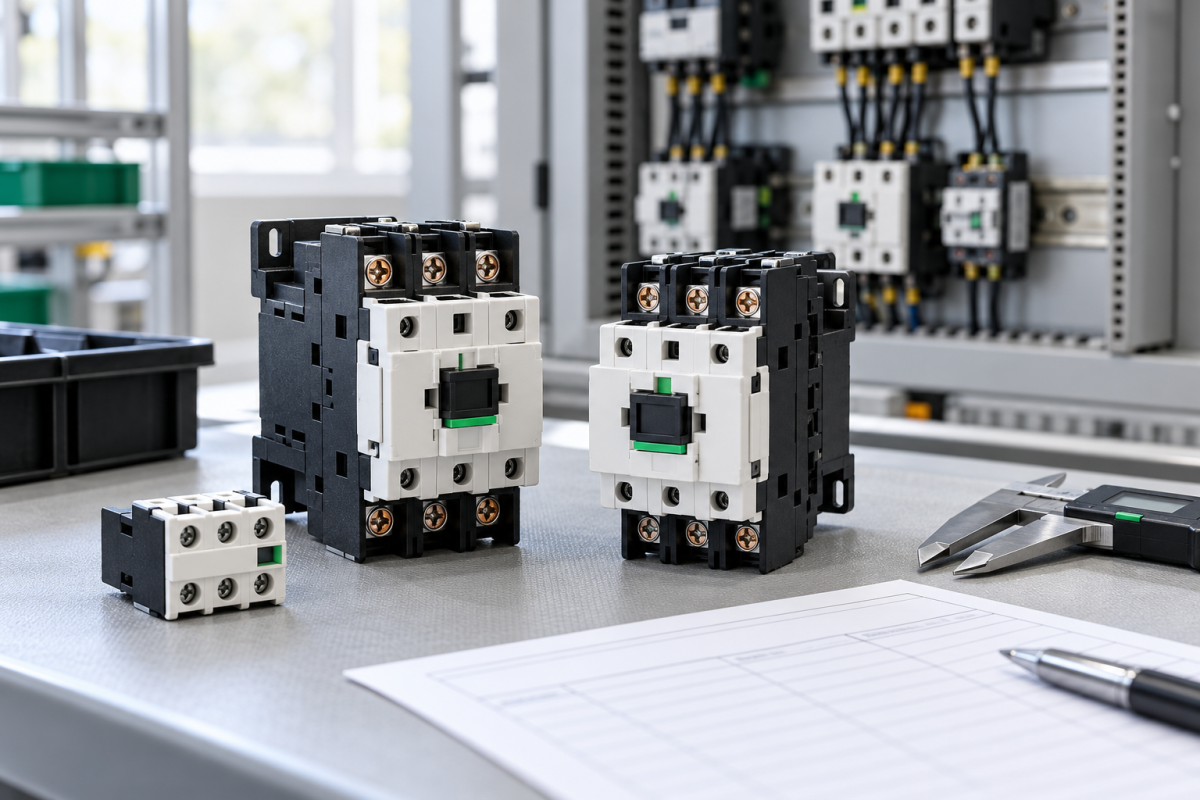
Image: AI-generated editorial illustration, not an exact product photograph or installation reference.
© 2026 Konmask. All rights reserved. Official Website: https://www.konmask.com Inquiry: support@konmask.com | WhatsApp/Tel: +86 19859288691
