
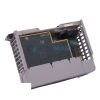
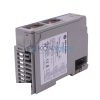
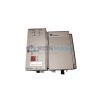

Allen-Bradley 1769-ASCII – Serial ASCII Communication Interface | CompactLogix 1769 Platform
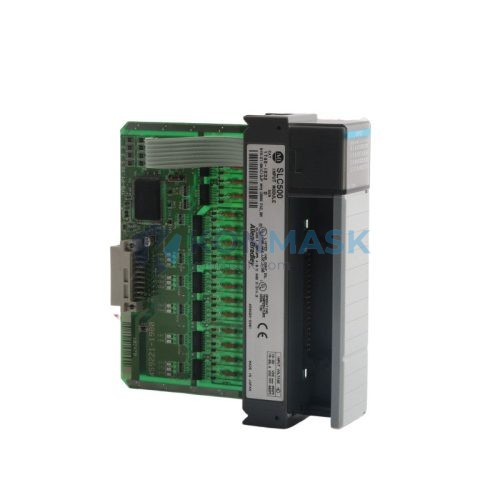
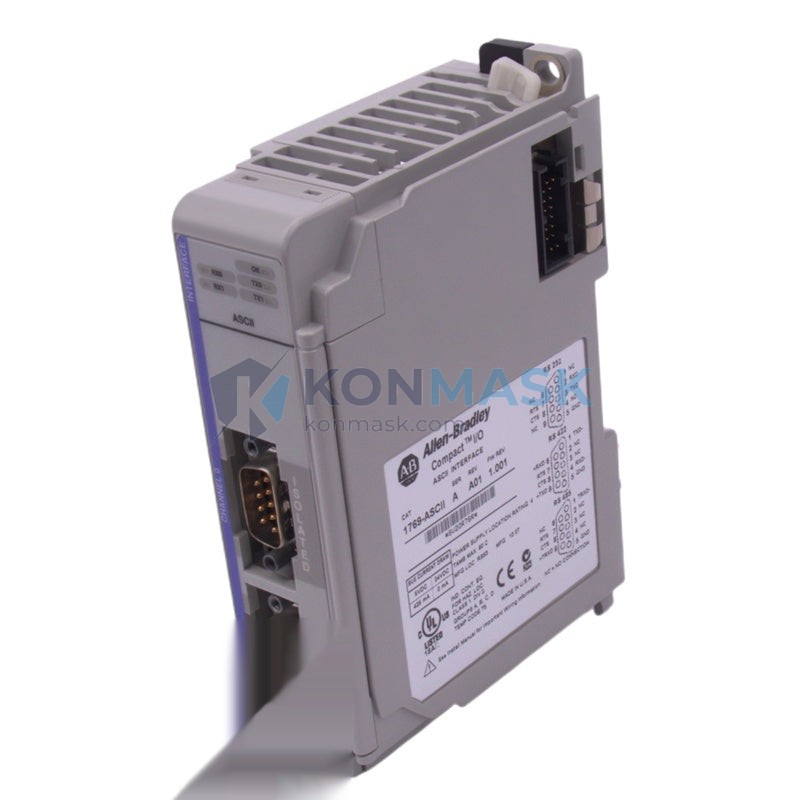
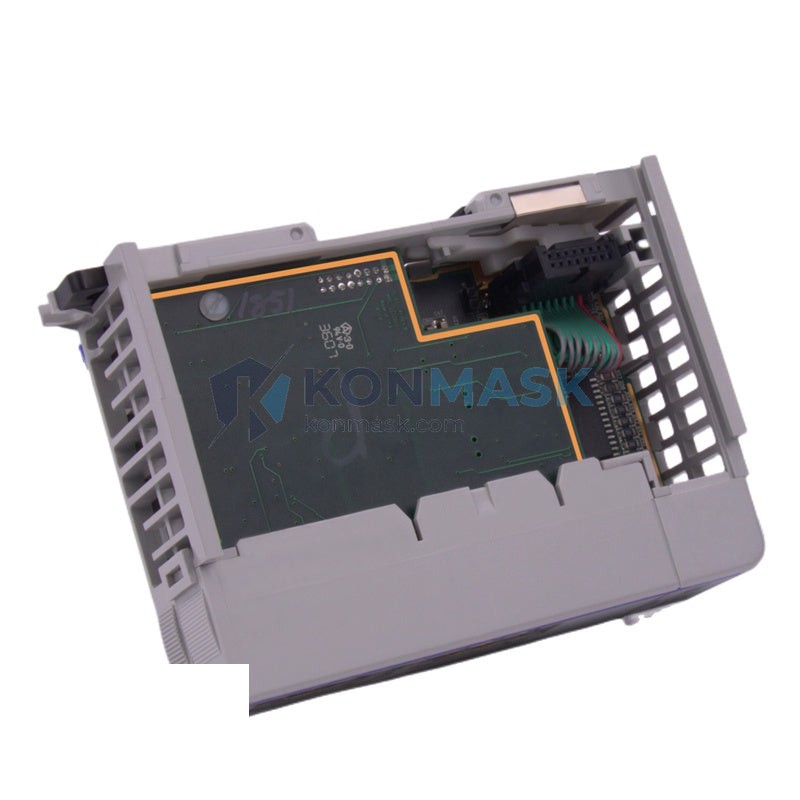
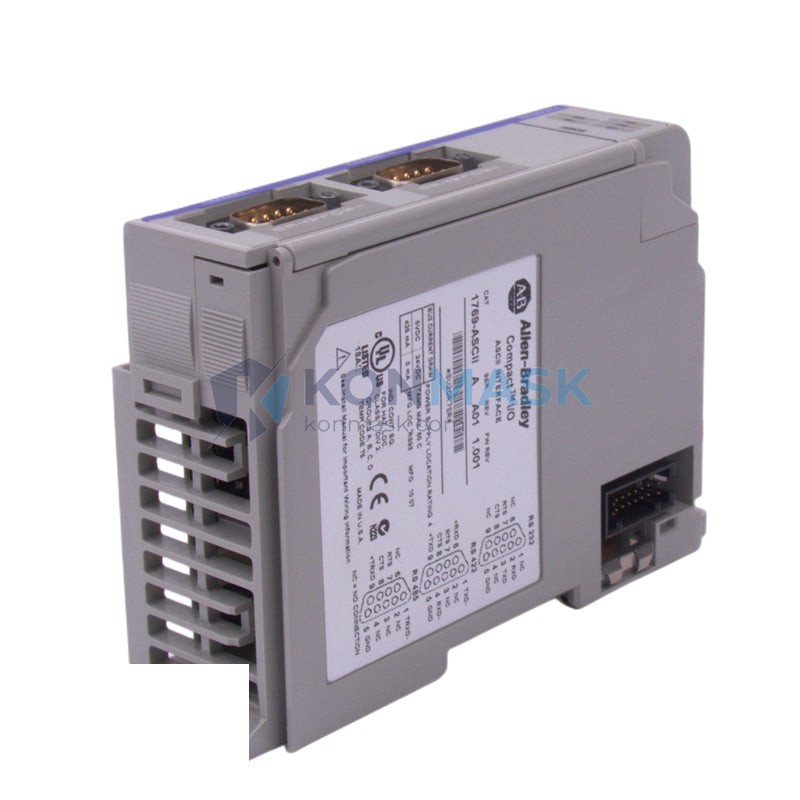
The Allen-Bradley 1769-ASCII (SKU: 1769-ASCII) is a dedicated serial ASCII communication interface module engineered for the Rockwell Automation CompactLogix 1769 modular I/O platform. Designed to bridge legacy ASCII-based serial devices—barcode scanners, weigh scales, vision systems, and third-party instrumentation—directly into a CompactLogix control architecture, this module eliminates the need for external protocol converters and simplifies system integration for industrial automation engineers.
At Konmask.com, every 1769-ASCII unit is sourced through verified supply channels, inspected against OEM specifications, and dispatched with full traceability documentation to support your procurement and quality assurance workflows.
Complete Technical Specifications
- Part Number / SKU: 1769-ASCII
- Manufacturer: Allen-Bradley / Rockwell Automation
- Platform: CompactLogix 1769 Modular I/O
- Module Type: Serial ASCII Communication Interface
- Serial Ports: 2 × RS-232C isolated serial channels
- Communication Protocol: ASCII (full duplex)
- Baud Rate: 300 – 19,200 bps (software selectable)
- Data Format: 7 or 8 data bits; odd, even, or no parity; 1 or 2 stop bits
- Buffer Size: 82-byte transmit / 82-byte receive per channel
- Backplane Current Draw: 100 mA @ 5 VDC
- Power Dissipation: 0.5 W (typical)
- Operating Temperature: 0 °C to +60 °C (32 °F to 140 °F)
- Storage Temperature: −40 °C to +85 °C
- Relative Humidity: 5 % to 95 % non-condensing
- Vibration: IEC 68-2-6 compliant
- Shock: IEC 68-2-27 compliant
- Certifications: UL Listed, CE Marked, C-Tick
- Module Width: 1 slot (1769 single-slot)
- Weight: 200 g (approx.)
- Firmware: Configured via RSLogix 5000 / Studio 5000 Logix Designer
Proven Application Environments
- Barcode & RFID Integration: Direct ASCII string acquisition from handheld or fixed-mount scanners on production lines
- Weigh Scale & Checkweigher Systems: Real-time weight data capture for filling, batching, and quality-control stations
- Vision System Communication: Pass/fail result strings from machine vision cameras into PLC logic
- Legacy Instrument Interfacing: Connect RS-232 instruments (pH meters, flow meters, analyzers) without gateway hardware
- Printing & Labeling: ASCII command strings to industrial label printers and inkjet coders
- Packaging & Palletizing: Coordinate data exchange between CompactLogix controllers and third-party robotic or conveyor controllers
Engineering Advantages
- Dual Isolated Channels: Two independent RS-232C ports allow simultaneous communication with two separate ASCII devices, maximizing I/O density
- Native Backplane Integration: Communicates directly over the 1769 backplane—no additional network infrastructure or gateway required
- Flexible String Handling: Configurable delimiters, terminators, and buffer management support virtually any ASCII device protocol
- Studio 5000 Native Configuration: Full AOI (Add-On Instruction) and tag-based programming support within Logix Designer eliminates custom driver development
- Compact Single-Slot Form Factor: Preserves valuable chassis real estate in space-constrained control panels
- Industrial-Grade Reliability: Designed to IEC environmental standards for continuous operation in harsh manufacturing environments
System Architecture & Signal Flow
The 1769-ASCII occupies a single slot in any 1769 expansion chassis and communicates with the CompactLogix processor via the high-speed 1769 backplane. Each RS-232C port connects to an ASCII peripheral device using a standard DB-9 cable. Transmit and receive buffers (82 bytes per channel) are mapped directly to controller tags in Studio 5000, enabling ladder logic or structured text routines to read incoming ASCII strings and write outgoing command strings with standard MOV/COP instructions. Handshaking (RTS/CTS) is software-configurable per channel.
Typical Signal Path: ASCII Device ↔ RS-232C Cable ↔ 1769-ASCII Port ↔ 1769 Backplane ↔ CompactLogix Processor Tag Database ↔ Application Logic
Sourcing & Quality Verification
- Supply Chain: Sourced from authorized distributors and verified industrial surplus channels with full chain-of-custody documentation
- Inspection Standard: Each unit undergoes visual inspection, label verification (catalog number, series, firmware revision), and functional power-on check prior to dispatch
- Authenticity: OEM labeling, holographic seals, and date codes verified against Rockwell Automation product databases
- Packaging: Anti-static ESD packaging with desiccant; double-boxed for international shipment
- Documentation: Certificate of conformance and inspection report available upon request
Procurement Process
- Step 1 – Inquiry: Submit your BOM or part number via the product page or email support@konmask.com with quantity and required delivery date
- Step 2 – Quote: Receive a formal quotation within 1 business day including unit price, lead time, and shipping options
- Step 3 – Order Confirmation: Purchase order accepted via online checkout, bank transfer (T/T), or trade credit (approved accounts)
- Step 4 – Inspection & Dispatch: Unit inspected, documented, and shipped with tracking within 1–3 business days of payment confirmation
- Step 5 – After-Sales Support: Technical support available via email and phone for installation, configuration, and compatibility questions
Technical FAQ
Q: Is the 1769-ASCII compatible with MicroLogix controllers?
A: No. The 1769-ASCII is designed exclusively for the CompactLogix 1769 modular I/O platform. MicroLogix systems use a different backplane architecture and are not compatible.
Q: How many 1769-ASCII modules can be installed in one system?
A: Multiple modules can be installed in the same 1769 expansion chassis, subject to total backplane current budget. Each module draws 100 mA @ 5 VDC.
Q: What cable is required for the RS-232C connection?
A: A standard DB-9 male-to-female RS-232C cable is used. Pinout and wiring diagrams are available in Rockwell Automation publication 1769-UM007.
Q: Can the module handle binary data or only printable ASCII characters?
A: The module supports full 8-bit ASCII (0x00–0xFF), enabling transmission of both printable characters and binary control codes.
Q: What is the maximum cable length for RS-232C?
A: RS-232C is rated to 15 m (50 ft) at maximum baud rate. Shorter cables and lower baud rates can extend reliable communication distance in low-noise environments.
Q: Do you provide a warranty?
A: Yes. Konmask.com provides a 90-day functional warranty on all modules. Extended warranty options are available—contact us for details.
© 2026 Konmask.com. All rights reserved.
Original Source: https://Konmask.com
Contact: support@konmask.com | +0086 19859288691